From 50 Steps to 5: Improving Scene Import Workflow
Unannounced Project | Designer Advocacy in Pipeline Development
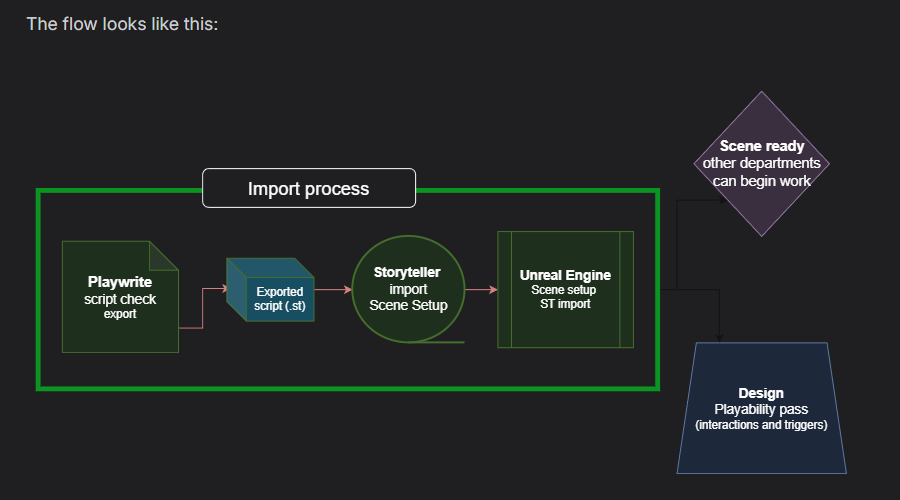
The Challenge: Script import required 50+ manual steps per scene—creating hotspots, copying tags character-by-character, configuring data layers. Typos broke interactions. Missed steps prevented scenes from loading. Designers couldn't reach playable state fast enough to catch design issues when they were cheapest to fix.
My Role: Represented Design in D9Sequencer development. Documented pain points from production experience, provided weekly testing feedback, then validated the improved workflow by importing all 40 game scenes.
The Solution: Translated designer pain into feature requests—automated hotspot creation, grid placement, non-destructive test imports. Time saved shifted upstream to logic validation, ensuring cleaner handoffs to downstream teams.
Impact: 50+ steps became 5. One designer imported all 40 scenes—scope that would have been impractical before. Pipeline thinking isn't separate from design work. Sometimes improving the team's workflow is the most impactful design contribution you can make.
Interaction Polish: From Playable to Shippable
Life is Strange: Double Exposure | Systematic UI/UX Polish
The Challenge: Late in production, player-facing interactions were inconsistent and confusing—UI clutter, misplaced prompts, and unclear verb usage were causing players to miss critical content and feel lost in progression. Playtest pain scores flagged these issues as blocking a shippable experience.
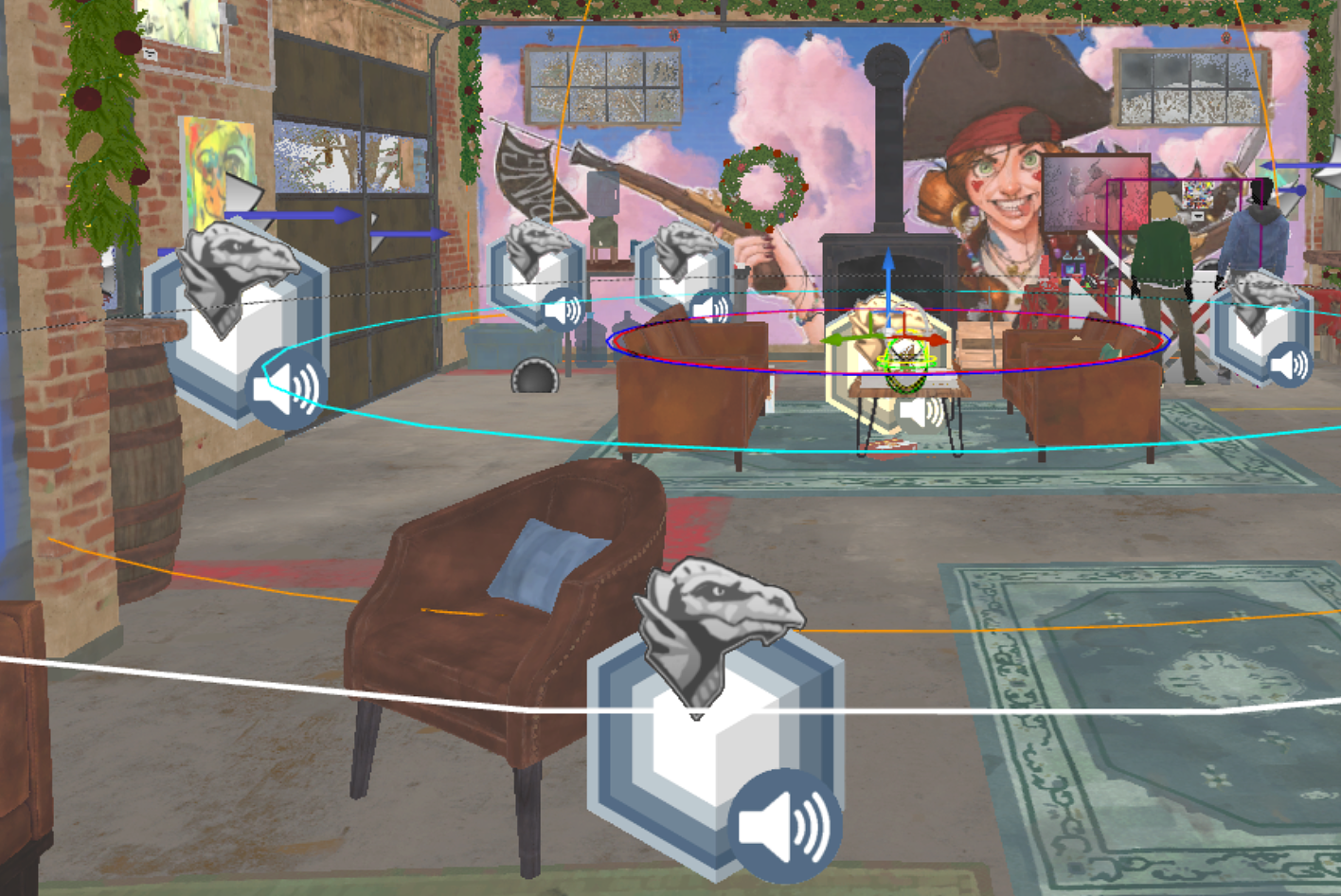
My Role: Contributed to a 3-person strike team tasked with polishing every interaction point in the game. Personally addressed ~400 of the ~1200 hotspots, establishing systematic standards for volume tuning, verb hierarchy, and UI behavior while mentoring junior contributors on best practices.
The Solution: Developed location-based workflow that built spatial intuition, created a three-tier proximity system (dot → dot+name → full UI) using breadcrumbing principles, and established consistent verb language ("Examine" for critical path, "Look" for optional). Iterated through extensive playtesting to tune each interaction's feel while documenting pipeline inefficiencies for future improvement.
Impact: Dramatically reduced playtest pain scores and hotspot-related bugs. The systematic approach created cohesive player guidance across the dual-timeline narrative. Documentation of workflow pain points positioned me to advocate successfully for pipeline improvements on the next project—hotspots now auto-create during script import, saving weeks of designer time.
Interactive Cinematic Design, Pt 2: The Ladder
The Expanse: A Telltale Series, Episode 1 | Design-Driven Prototyping
Part 2 of interactive cinematic design series: How a brief scripted moment became the proof-of-concept that validated the Point Targeting System (PTS) for narrative-driven gameplay
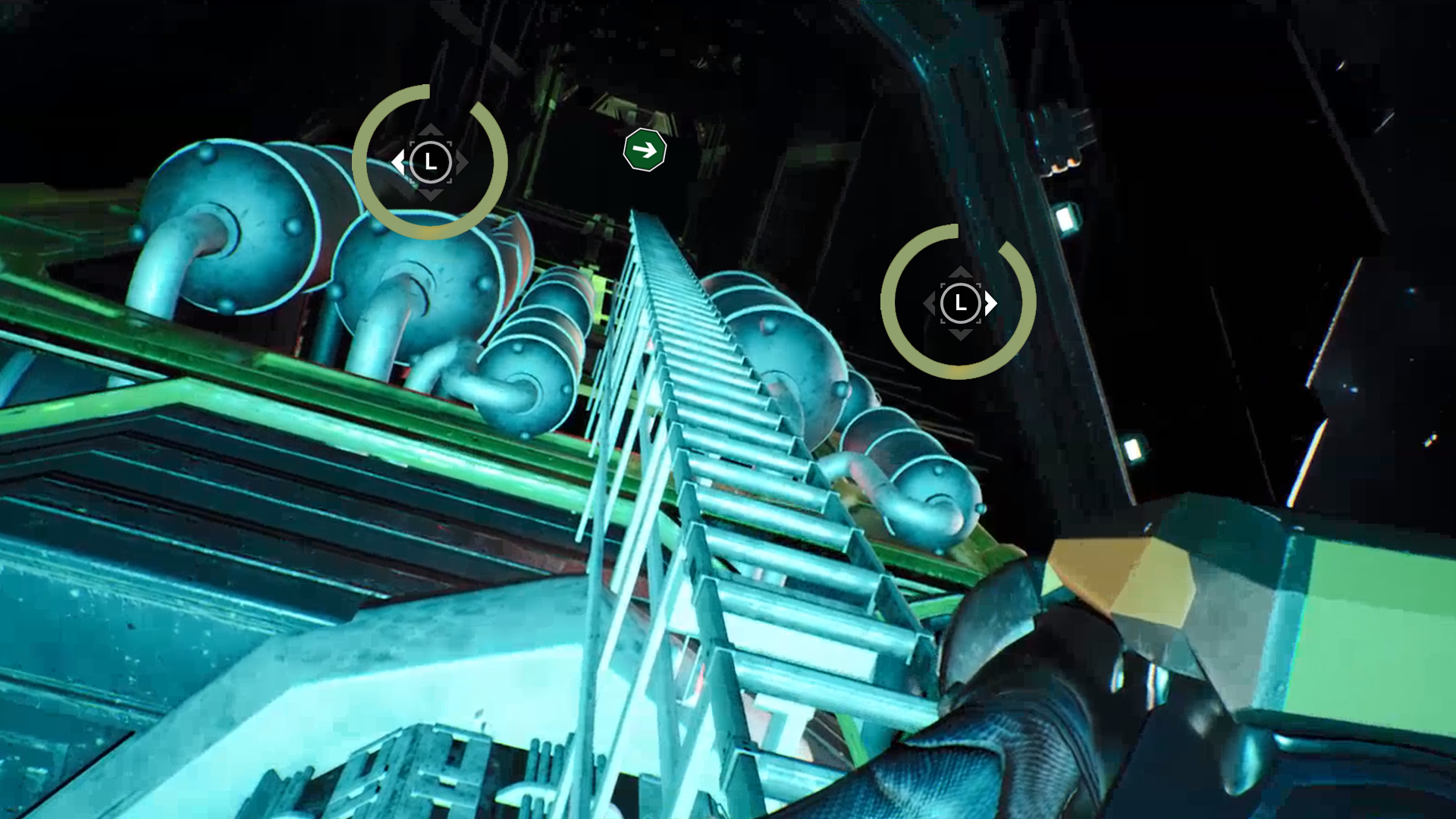
The Challenge: The PTS prototype worked technically but needed proof it could create compelling non-combat gameplay. A brief scripted moment—Drummer climbing a ladder after nearly being blasted off the ship—presented the perfect opportunity to demonstrate the system's narrative potential.
My Role: Championed turning this 3-4 line script moment into interactive gameplay. Led the prototyping effort, solving technical challenges (motion capture stitching, unusual spatial orientation, camera constraints) while designing the dodge sequence flow and establishing implementation patterns for future PTS moments.
The Solution: Built a high-stakes climbing sequence where players dodged falling debris using the PTS framework. Navigated scope concerns by keeping the design achievable while proving the system could deliver emotional tension without combat.
Impact: Became the definitive proof-of-concept that validated PTS for narrative-driven gameplay. The Ladder directly influenced the series's creative direction—Episode 5 featured heavy PTS usage throughout its runtime. The workflow and technical solutions established here became the template for all subsequent interactive moments.

Interactive Cinematic Design, Pt 1: The Point Targeting System
The Expanse: A Telltale Series | Multi-Disciplinary Strike Team
Part 1 of interactive cinematic design series: How we prototyped the Point Targeting System to inject player agency into cutscenes for The Expanse: A Telltale Series.
The Challenge: Our narrative-driven game needed a way to inject meaningful player agency into cinematic sequences without breaking storytelling flow. Traditional passive cutscenes undermined immersion, but typical Quick Time Events felt too "gamified" for our tone.
My Role: As a bridge between animation and design on the strike team, I focused on translating high-level concepts into testable, iterative prototypes. I handled environment blocking, implemented the foundational timing in our in-house Storyteller tool, and executed the first full integration of the PTS with UI and player input.
The Solution: We developed the Point Targeting System—a spatial targeting mechanic that maintained cinematic camera control while giving players meaningful input through subtle joystick-based target acquisition. This decoupled player interaction from camera control, solving the "overly gamified" problem.
Impact: The prototype validated our core design assumptions and established a systemic foundation that was directly adapted for the pivotal high-tension sequence "The Ladder" at the end of Episode 1. The workflow we established significantly reduced feedback loop time for designers, enabling rapid iteration on timing and target placement.